
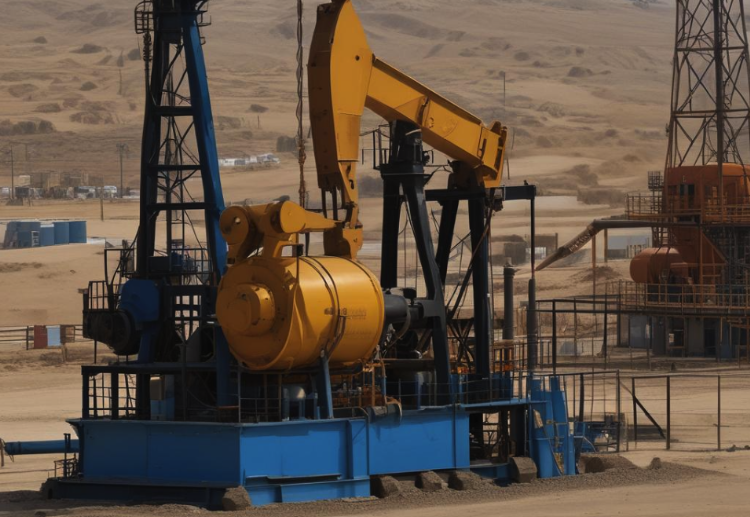
The Organization of the Petroleum Exporting Countries and its allies, known as OPEC+, announced on Sunday their decision to extend oil production cuts until 2025. This move continues the group’s efforts to stabilize the global oil market amid fluctuating demand and increased output from other producers like the United States.
Key Points of the Announcement
1. Extension of Existing Cuts:
• The production cut of 1.65 million barrels per day, announced in April 2023, will now continue until the end of 2025. This cut was initially set to expire at the end of this year.
• An additional cut of 2.2 million barrels per day, announced in November 2023, will extend until the end of September this year and will then be phased out gradually by the end of September 2025. This cut was originally due to expire at the end of this month.
2. Previous Reductions:
• These cuts add to the previously agreed reductions of 3.66 million barrels per day from 2022 and 2023. These measures have been led by Saudi Arabia and Russia to counteract slowing demand and increased US output.
3. Production Quotas:
• The group released its production requirements for 2025, which remain similar to this year’s levels. Notably, the United Arab Emirates will see an increase in its production quota by 300,000 barrels per day, phased in gradually from January through September 2025.
Market Impact and Prices
Despite the significant cuts, global oil prices have remained relatively subdued. Since hitting a five-month high in early April, global oil prices have decreased by about 11%.
• Brent Crude: The global oil benchmark traded at $81 a barrel by early Monday morning, slightly up by 0.1%. This is down from $91 in early April.
• West Texas Intermediate (WTI) Crude: The US benchmark also saw a slight increase of 0.1%, trading at $77 a barrel, down from nearly $87 per barrel in early April.
Contributing Factors to Price Trends
• US Oil Output: Record levels of US oil production have increased global supply, contributing to the subdued prices.
• Demand Concerns: Sluggish demand in major economies, particularly China—the world’s largest oil importer—and other developed economies, has also kept prices in check.
• International Energy Agency (IEA) Forecast: The IEA recently lowered its forecast for global oil demand growth by 140,000 barrels per day to 1.1 million barrels per day, citing weak demand in Europe and other developed regions.
Future Projections
Despite the current trends, the IEA warns of a potential supply crunch. The agency predicts global supply will only increase by 580,000 barrels per day this year. If OPEC+ maintains its extended output cuts, a supply deficit could emerge in 2024.
Economic Context
The OPEC+ decision aligns with Saudi Arabia’s recent move to sell additional shares in its oil company, Aramco. The government is selling less than 1% of the company in a deal expected to raise $13 billion, aimed at funding economic diversification projects.
Conclusion
OPEC+’s decision to extend production cuts into 2025 reflects ongoing efforts to manage global oil supply amid diverse economic pressures. While prices have remained subdued due to factors like increased US production and weaker demand in key markets, the extended cuts are poised to influence future market dynamics significantly.